Home › Food, festivals & culture
No-Gos in Thailand: Rules and Taboos Every Visitor Should Know
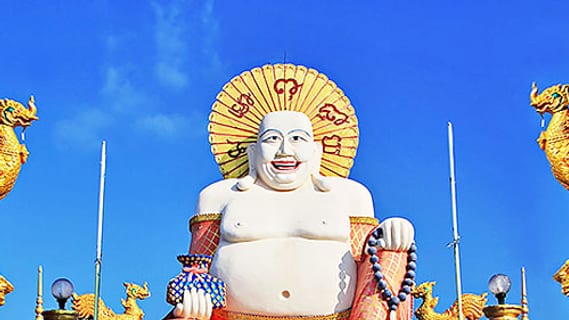
Thailand is a relaxed country, but not a country without rules. Some are simple courtesy, others are written into the criminal code — and as a visitor, it's worth knowing the difference. This overview covers the main rules of conduct and taboos, explained plainly and without moralising.
Before you go: Top 10 misconceptions about Thailand, fact-checked
The monarchy: keep a wide berth
The monarchy enjoys special legal protection in Thailand. Under Section 112 of the Criminal Code ("lèse-majesté"), defaming, insulting or threatening the King, Queen, Heir-apparent or Regent carries 3 to 15 years in prison per count. Germany's Federal Foreign Office explicitly warns that even disparaging comments online, on social media, or simply sharing or retweeting critical posts can fall under this law. Human rights organisations say it is interpreted broadly and remains actively enforced. Images of the royal family — including on banknotes and coins — should be treated respectfully; stepping on a dropped coin is considered rude.
Temples, Buddha images and monks
Buddhism is Thailand's main religion, and temples have clear rules: cover your shoulders and knees, remove your shoes before entering buildings, stay quiet and don't disturb prayers. Don't touch, climb on, or point your feet or fingers at Buddha statues — more on temple etiquette in our Top 10 temples on Koh Samui. Women should never touch a monk directly; objects or money are handed over indirectly, for example placed on a cloth, rather than passed hand to hand.
Heads and feet
In Thailand, the head is considered the highest part of the body and the feet the lowest. Touching someone's head — even a child's, meant kindly — is not well received. Pointing your feet or fingers at people, Buddha statues or images of the royal family is seen as disrespectful; a nod or a glance works better. Resting your feet on a bus or train seat, or pointing them at other passengers, is a classic mistake that Thais notice immediately.
Keep your cool, save face
Loud arguments, visible anger or raised-voice complaints rarely get you anywhere in Thailand — if anything, they make both sides "lose face". Staying friendly and calm, even when something goes wrong, almost always works better than pushing or raising your voice.
Drugs and e-cigarettes
Thailand takes a strict line on drugs: even possessing small amounts can lead to prison time, and larger quantities carry severe penalties under Thai law, up to the death penalty. Recreational cannabis use was recriminalised on 25 June 2025; as of 2026 it's legal only with a doctor's prescription (the PT-33 form), and public consumption remains banned regardless.
E-cigarettes have been fully illegal in Thailand since 2014 — import, possession, sale and use, including nicotine-free liquids. Anyone caught at customs risks confiscation, fines of up to 500,000 baht and, under the Customs Act, up to ten years in prison. Since 29 June 2026, a dedicated "E-Cigarette Control Centre" has stepped up checks, particularly in tourist areas. There's no tourist exemption: leaving the device at home is the only safe option.
Alcohol: sale hours and dry days
Since 29 May 2026, licensed shops, restaurants and bars can sell alcohol continuously from 11:00 to midnight — the former afternoon gap between 14:00 and 17:00 has been scrapped. Sales are still suspended nationwide on certain religious holidays and on election days; these dry days are often announced only shortly beforehand.
Clothing, nudity and going topless
Beachwear belongs on the beach, not in a restaurant or supermarket — throwing a T-shirt over a bikini is the polite move when shopping. Public nudity, including going topless, falls under Section 388 of the Criminal Code, punishable by a fine of up to 5,000 baht. In practice it's rarely enforced on tourist beaches like Chaweng or Lamai, but the legal risk and possible consequences, including visa scrutiny, remain.
Don't just fly a drone
Bring a camera drone and, regardless of its weight, you're required to register it with both the NBTC and CAAT — there's no tourist exemption. Flying unregistered risks confiscation, fines of up to 100,000 baht and up to five years in prison. If you only want to film briefly on holiday, check the current registration process in advance or leave the drone at home.
Riding without a licence or helmet
This deserves its own article — the short version: without a valid motorcycle-class licence (plus an International Driving Permit) you risk fines and, after an accident, trouble with insurance; a helmet is compulsory. Full details in our Top 10 scooter rules on Koh Samui.
Animals: no shows, no riding
From tiger selfies to monkey or crocodile shows, these attractions are rarely good welfare for the animals involved. That applies especially to elephant riding, which damages the animals' backs over years of use. Sanctuaries that let you meet elephants up close without riding them are a better alternative:
 from 2,650 THBHalf Day Activity Koh Samui Elephant Home Animal Shelter4.96 from 83 reviews
For more on choosing carefully, see our article Is every Koh Samui elephant sanctuary fake?
Gambling
Gambling is banned in Thailand with few exceptions — essentially the state lottery and horse racing. You might occasionally see Thais betting on cockfights or Muay Thai bouts, but for visitors this is illegal. Anyone set on playing at a casino can find legal options in neighbouring Laos or Cambodia.
Frequently asked questions
What are absolute no-gos in Thailand?
At the top of the list: disparaging remarks about the monarchy, touching or climbing on Buddha statues, e-cigarettes, and larger quantities of illegal drugs — these carry the harshest penalties.
Is criticising the monarchy illegal in Thailand?
Yes. Under Section 112 of the Criminal Code, defaming, insulting or threatening the monarchy carries 3 to 15 years in prison per count — Germany's Foreign Office notes this also applies to comments made on social media.
Can you bring e-cigarettes to Thailand?
No. E-cigarettes have been fully banned since 2014, and importing or possessing one can lead to heavy fines and imprisonment. There's no exemption for tourists or for nicotine-free devices.
What happens if you overstay your visa in Thailand?
A fee of 500 baht per day applies, capped at 20,000 baht from 40 days onward. But if immigration catches you before you leave, rather than you leaving under your own steam, you risk detention, deportation and a re-entry ban.
Read next: Top 10 misconceptions about Thailand, Top 10 scooter rules on Koh Samui and Top 10 temples on Koh Samui.
Keep reading

Full Moon Party Koh Phangan: Dates, Entry Fee and Getting There
Full Moon Party Koh Phangan 2026/2027: official dates, entry fee, safe transport from Koh Samui and the key safety tips for the night.

Top 10 Souvenirs From Thailand
Souvenirs from Thailand: our top 10, what export rules mean you should skip (Buddha images, ivory, coral) and where to buy them on Koh Samui.

Top 10 Events and Festivals in Thailand and on Koh Samui
Every major Thai festival for 2026/2027 at a glance – and which ones actually happen on Koh Samui: the Regatta, Green Market, Loy Krathong, Songkran.