Home › Food, festivals & culture
Top 10 Fruits in Thailand

Thailand is one of the most fruit-rich countries in the world, and no market stall is complete without its stacks of mango, durian and mangosteen. Some are available year-round, others only for a few weeks a year – and timing your visit right makes a real difference. Here are our ten favourite fruits, a season calendar, and the key rules before you try to bring any of it home.
Season calendar: when each fruit tastes best
| Fruit | Main season |
|---|---|
| Mango | February to July, peak March–June |
| Durian | April to August/September |
| Mangosteen | April to September |
| Rambutan | May to September |
| Longan | July to September |
| Jackfruit | Year-round, usually at its best January to May |
| Dragon fruit | Available year-round |
| Papaya | Year-round |
| Guava | Year-round |
| Coconut | Year-round |
The best time to catch as many fruits as possible fresh and ripe is between April and June, when mango, durian, mangosteen and rambutan seasons overlap. Beyond our top 10, it's worth keeping an eye out at markets for lychee, jujube (Thai apple) or rose apple (chomphu) too – smaller supporting acts that are well worth trying.
Our top 10 fruits in detail
From number 10 down to our number 1.
10. Mango

One of Thailand's best-known fruits, and it comes in two forms: the ripe yellow mango, soft, sweet and juicy, and the unripe green mango, which many Thais particularly love. Yellow mango goes into juices, shakes and the popular dessert mango sticky rice (khao niao mamuang), found at almost every market – a must in Thailand. Green mango is usually bought from street vendors, tastes sour, and is served with a dip of sugar and chilli. Main season runs February to July, best from March to June.
9. Guava

The guava doesn't originally come from Thailand – it was brought into the country by the French. Fun fact: the Thai word for guava is "farang", which actually means "non-Asian", likely because the Thai name for France is "Farangset". The guava looks like a green apple but tastes noticeably sweeter. Thais often eat it while still unripe, mixed with a chilli-and-sugar dip for a sweet-and-spicy combination. Guava is available year-round.
8. Longan

The longan, sometimes called the "dragon eye", is a soapberry plant like the lychee, native to Southeast Asia: small, round, with white flesh around a black seed – hence the name. The taste is similar to lychee, just a little less sweet. Longan is used in traditional medicine in parts of Asia and is considered rich in nutrients. Main season is July to September.
7. Rambutan

Rambutan is a hairy-looking relative of the lychee – some people even call it the "hairy lychee". It's very popular in Thailand, but also grows in Vietnam and Malaysia. Underneath the shell is sweet white flesh around a seed, along with vitamins, calcium and magnesium. Main season is May to September, usually overlapping with mangosteen.
6. Papaya

Probably the most versatile fruit in Thailand, since it's the main ingredient in the famous som tam papaya salad – made using the unripe, green papaya with its firm white flesh. The ripe papaya, by contrast, is yellow-orange outside and soft, sweet and orange inside. Both varieties are available year-round at markets and supermarkets, and the sweet one from plenty of street vendors too.
5. Jackfruit
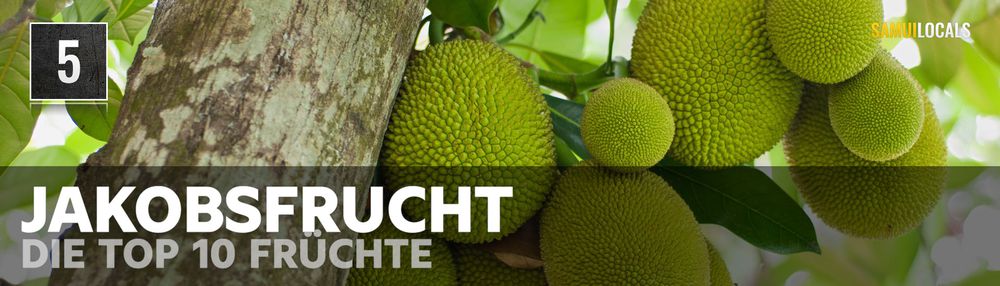
From the outside, jackfruit's spiky skin looks similar to durian, but the difference becomes clear as soon as you open it: the smell is much milder and more pleasant. Inside are lots of small yellow segments around a large core, usually already sold pre-cut into portions. The taste is hard to pin down – a fruity mix of pineapple, banana and vanilla. Jackfruit is available year-round, usually at its most flavourful between January and May.
4. Mangosteen
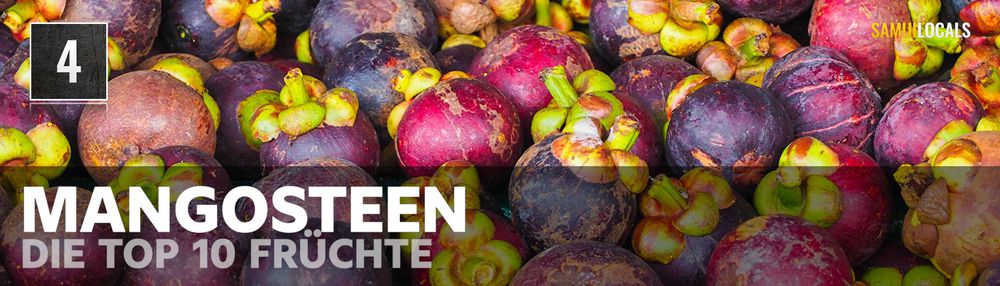
If durian is the "king of fruits", mangosteen is the "queen". Its taste leans more sour than sweet, though milder than lime. The leathery rind has to be cracked open to reach the white flesh inside – on a ripe fruit, it should be smooth and glossy. Some hotels aren't keen on mangosteen because its dark rind can leave stains, though it's banned far less often than durian. Main season is April to September.
3. Dragon fruit

Its bright pink skin is the first thing you'll notice. Inside is white flesh with small black seeds, similar to a kiwi. It grows on a type of cactus and is easy to eat – just halve it and scoop out the flesh. It's rich in vitamin C, calcium and iron, low in calories, and available year-round.
2. Durian

Durian is known as the "king of fruits" and is also one of the most expensive fruits you can buy in Thailand. It's best known for its intense smell, which has earned it the nickname "stink fruit" among foreigners – a matter of taste. Because of that smell, durian is banned in many hotel rooms, lifts and on public transport across Thailand; the rule is set by individual operators rather than a nationwide law. The taste itself is hard to describe: creamy, pudding-like, with notes of vanilla, caramel and a hint of jackfruit. Main season is April to August, usually peaking in May and June.
1. Coconut
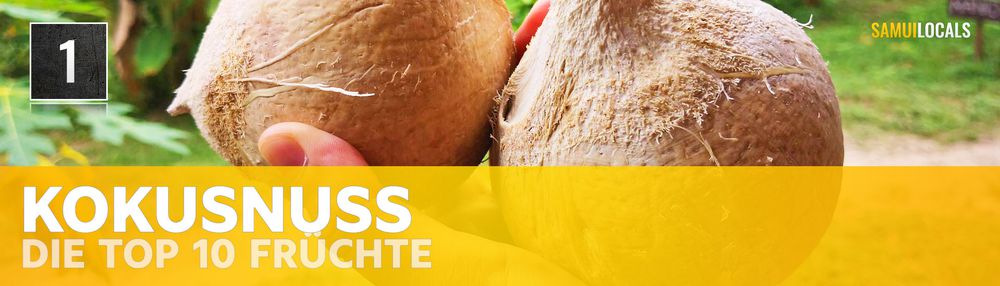
Our number 1, and the ultimate symbol of tropical countries like Thailand. On Koh Samui, coconut plantations still shape large parts of the landscape – you'll often spot them on the way in as your plane comes down. From street vendors and supermarkets, a fresh coconut usually costs just a few baht; expect to pay a lot more at restaurants and bars. The coconut water is refreshingly light, and the flesh inside is best eaten straight from the shell with a spoon. There are also roasted coconuts, shakes, ice cream and juices – coconut is available year-round and considered particularly healthy.
More Thai fruits worth trying
Beyond our top 10, these six are common at almost any Thai market and worth seeking out too:
Pineapple
Pineapple is grown and sold across Thailand all year, with two harvest peaks: a larger summer crop from February to June (sweetest March to June) and a smaller one from October to December. Street vendors sell it pre-cut into bags or on a stick, and it's a common ingredient in stir-fries and fruit shakes.
Watermelon
Watermelon is available year-round, with the main harvest and sweetest fruit between February and May, peaking around March. Thailand also grows a yellow-fleshed variety alongside the more familiar red one; both taste similarly sweet and are popular cut into wedges by street vendors, especially in the hot season.
Lychee
Lychee season in Thailand runs roughly from April to June, with most of the crop coming from the cooler northern provinces around Chiang Mai rather than the south. Underneath the rough pink shell is sweet, translucent white flesh around a single seed; it's closely related to rambutan and longan.
Banana
Thailand grows far more banana varieties than you'll typically see back home, differing in size and sweetness; small, sweet "Thai bananas" and the larger Cavendish type are both common, alongside less usual varieties. Bananas are available year-round from every market, supermarket and convenience store, and turn up in shakes, banana pancakes and desserts.
Cantaloupe
Thailand's cantaloupe (sold locally as "taeng tes" or "taeng farang") has its main commercial harvest between January and March, though it's sold in markets throughout the year. Look out for both the green-fleshed and orange-fleshed varieties; the orange one is usually the sweeter of the two.
Soursop
Soursop – called "thurian thet" ("foreign durian") in Thai, despite not being related to durian – has spiky green skin and soft, fibrous white flesh with a tangy, slightly sour flavour often compared to a mix of pineapple and strawberry. The trees flower for much of the year, but the fruit itself mainly ripens in the cooler months, roughly November to February. It's most often blended into shakes and juices rather than eaten on its own.
Where durian is banned, and what else to watch for
Because of its smell, durian isn't allowed in the rooms of many hotels, nor in lifts, planes, buses or taxis – signs showing a crossed-out durian are a common sight on Koh Samui. This isn't a nationwide law but an individual decision by each operator, made to protect other guests. The simplest approach: eat it right at the market stall or on the terrace instead of taking it up to your room.
Taking fruit home to the EU: what's actually allowed
For most fresh fruit from Thailand, you need a phytosanitary certificate issued by the Thai plant health authority to bring it into the EU – without one, it's usually confiscated and destroyed at customs, and fines can apply on top. Only five fruits are exempt and can be brought in without a certificate, in unlimited quantity: pineapple, coconut, durian (except as flight hand luggage), banana and date. That exemption doesn't cover mango, mangosteen, papaya, longan or most of the other fresh fruit on our list – without a certificate, those stay at customs. Processed or fully dried fruit is generally not a problem.
Frequently asked questions
Which fruits are in season in Thailand right now?
It depends on the month: mango season runs February to July, durian and mangosteen April to September, rambutan May to September, and longan July to September. Papaya, jackfruit, dragon fruit, guava and coconut, on the other hand, are available year-round. The widest variety of ripe fruit at once falls between April and June.
Which fruits are most popular in Thailand?
Mango and durian are the best known, followed by mangosteen, rambutan and papaya. Our top 10 above covers the fruits you'll find at almost any market in Thailand.
What does durian taste like?
Creamy and pudding-like in texture, with a flavour somewhere between vanilla, caramel and a hint of jackfruit – plus the very intense smell that many people need to get used to. Opinions are sharply divided: some call it the king of fruits, others the "stink fruit".
Can you take fruit home from Thailand?
Only to a limited extent: without a phytosanitary certificate, only pineapple, coconut, durian (not as flight hand luggage), banana and date are allowed in unlimited quantity. Mango, mangosteen, papaya, longan and most other fresh fruit need the certificate, or they'll be held at customs. Processed or dried versions are usually fine.
What does soursop taste like and when is it in season?
Soursop has soft, fibrous white flesh with a tangy flavour often described as a cross between pineapple and strawberry, quite different from durian despite the similar Thai name. It's mainly in season in the cooler months, roughly November to February, and is most commonly enjoyed as a shake or juice.
For more on Thai food and culture, see our Top 10 night markets on Koh Samui, where you can buy plenty of these fruits freshly cut, and How much does a holiday on Koh Samui cost for an overview of local prices.
Keep reading
No-Gos in Thailand: Rules and Taboos Every Visitor Should Know
No-gos in Thailand for 2026: the monarchy, temple etiquette, drugs, e-cigarettes, alcohol sale hours and overstay fines – explained with sources.

Full Moon Party Koh Phangan: Dates, Entry Fee and Getting There
Full Moon Party Koh Phangan 2026/2027: official dates, entry fee, safe transport from Koh Samui and the key safety tips for the night.

Top 10 Souvenirs From Thailand
Souvenirs from Thailand: our top 10, what export rules mean you should skip (Buddha images, ivory, coral) and where to buy them on Koh Samui.